
How Much Does a Facelift Cost?
How to Read the Quote and Why Two Estimates Can Be Thousands Apart
The most common question patients ask when they are considering plastic surgery is the cost of the procedure. During the facelift consultation process, a quote is generally provided following a meeting with the surgeon, and a recommended plan is created. Since surgeons aren’t usually the ones who print the final quotes, patient coordinators are accustomed to a myriad of questions about the quote provided. These quotes should break down the exact fees involved, including the surgeon’s professional fee, facility, and anesthesia fees.
If the patient has been shopping around, then they will begin comparing each quote against the others, and this is where confusion can arise, or the decision is made on which surgeon they prefer.
A facelift quote should describe the exact procedure to be performed, whether the neck or other ancillary procedures are included, what type of anesthesia will be used, and where the work will be done. However, it is important to note that fees change by city, facility, and surgeon.
If you receive a plastic surgery quote in writing or by phone, ask this:
“Is this the surgeon’s fee only, and does it include all of other expenses associated with the operation you recommended?” If the office cannot answer that cleanly, keep looking.

Why the published average can be misleading
Every year, the American Society of Plastic Surgeons publishes the average surgeon’s fee for plastic surgery procedures, and the facelift currently stands at $11,395. They compile these averages from a membership survey of professional fees. These fees typically leave out the operating room, anesthesia, overnight observation, garments, pre-operative laboratory work, and ancillary procedures done at the same time.
However, it’s impossible to compare apples to oranges when it comes to plastic surgery fees. On platforms such as RealSelf®, people who paid for surgery commonly report the procedure totals in the high teens to low twenties of thousands of dollars. In major markets such as Los Angeles and Miami, a complete facelift regularly lands between $20,000 and $40,000. Yet, there are a small number of heavily branded practices that quote $50,000 to $100,000 or more. All these figures can be honest or misleading because depends on the exact type of facelift and any additional procedures performed.
Use a national average as a rough marker for the surgeon’s line on the bill. Do not treat it as the check you should expect to write.
What a complete facelift quote should include
If the first number you receive is a single lump sum with no breakdown, ask for the complete costs of everything involved.
The line items
- Surgeon’s professional fee — This is the professional fee for the exact type of facelift to be performed. Most surgeons list each procedure separately and often give a discount when certain procedures are performed together, such as a facelift with lower blepharoplasty. Take note: it is industry standard for post-operative visits to be included within their professional fees.
- Facility or operating-room fee — The facility is the place where the procedure will be performed and is sometimes paid directly to the accredited office suite, outpatient ambulatory surgery center, or hospital. These fees are determined by the facility and not the surgeon. So, the surgeon typically doesn’t have any control over these fees to negotiate should another surgeon’s quote list a lesser fee by another facility. These fees are usually determined by the procedure or by operating room time to complete the procedure from start to finish.
- Anesthesia fee — This is the fee associated with the type of anesthesia planned for your facelift surgery. The specific type of anesthesia can vary according to the surgeon’s preference or the type of procedure to be performed. These fees are usually based on the amount of time needed to complete the procedure, and patients should be informed of potential additional costs if the procedure takes longer than expected.
- Additional procedures — If the initial surgeon’s fee doesn’t include all procedures discussed, these additional procedures are typically itemized. Such as neck lift, platysmaplasty, upper or lower blepharoplasty, brow work, fat grafting, implants, or laser resurfacing, each listed separately.
- Supplies and aftercare — As with any surgical procedure, additional supplies are often a necessary component of facelift recovery. These items are often itemized as part of the completed surgical quote. These items could include garments, surgical drains if used, prescriptions, scar products, and any recommended overnight stay.
- Preoperative costs — Preparing for facelift surgery can be like preparing for any other surgical procedure. Your surgeon will likely request laboratory studies, medical clearance from your primary care physician, and sometimes imaging. These costs are not necessarily itemized in a plastic surgery quote but are outlined as potential costs a patient could expect to pay.
When you have decided on the surgeon that is right for you and are ready to schedule, you can expect to pay a deposit to hold your surgery date, followed by paying for the procedure in full approximately two to four weeks before surgery. Patients should inquire about what happens to their deposit should they need to reschedule.
Typical United States ranges vary by what is being done
These are example ranges patients reported for 2025 and 2026 at board-certified practices. The low end shows up more often in smaller markets and for limited operations. The high end shows up in New York, Los Angeles, Miami, and other destination cities, or when a surgeon’s calendar is full and the operation is extensive.
| Type of Facelift | Surgeon Fee (typical) | Realistic Complete Quote |
|---|---|---|
| Mini / short-scar facelift | $6,000 – $12,000 | $8,000 – $18,000 |
| SMAS facelift | $9,000 – $18,000 | $14,000 – $28,000 |
| Deep plane facelift | $14,000 – $28,000 | $20,000 – $40,000+ |
| Facelift + eyelids and/or fat grafting | Add $3,000 – $10,000+ | Often $25,000 – $45,000+ |
| Heavily branded or “celebrity” packages | Highly variable | $50,000 – $100,000+ |
These are not price guarantees. A lower number often means a smaller operation. A higher number may mean a longer case, a costlier city, or a brand.
The table leaves trademarked and branded facelift names off on purpose. The cost of a facelift should follow the exact one being performed according to the specific patient’s needs: how much skin, fat, SMAS, and platysma are being addressed, and whether the neck, brow, fat grafting, and eyelids are in the plan. Many of the heavily branded or “celebrity” packages are all-inclusive. Meaning, they include all recommended procedures and possibly a stay in a skilled recovery facility.
Why two facelift quotes can be so different
In my years of practice, I witnessed patients bring in estimates that looked like they described the same facelift but usually didn’t. The gap usually came from one or more of the following.1. Different operations wearing the same name
“Facelift” can mean a short-scar skin tightening that leaves the neck alone, or a deep-plane dissection that releases retaining ligaments, repositions midface fat, and reconstructs the platysma. Unless the surgeon lists the exact type of facelift to be performed on the quote, then a general “facelift” line item isn’t specific.2. Quoting only the surgeon fee
This practice of procedure quoting is typically pre-consult, as in when a patient inquires about procedure cost by phone. Office A quotes $12,000 but is actually only the surgeon’s fee. Office B quotes $24,000, and it includes the surgeon’s fee, facility, anesthesia, and the first year of follow-up. This quoting practice is known to cause sticker shock when the patient is given the true quote at the consultation. It is common practice in many industries, and plastic surgery is one of them. This type of under-quoting is a baited trap to get the patient in the door for the consultation. Then, the heavy sales tactics come into play.3. Geography and overhead
Rent, staff, malpractice insurance, and accredited-facility costs are not the same in Nashville as they are in 90210. Destination practices also price scarcity: a surgeon who operates two days a week and has a six-month wait will not look the same as a quote from an average market. Additionally, the location of the surgeon does not indicate they are superior to other surgeons located elsewhere. Destination plastic surgeons, however, do invest in larger marketing budgets than surgeons targeting patients in their locale. Modern practices spend big money on websites, social media, public-relations firms, and even celebrity associations. Plastic surgery is highly competitive, and marketing is a necessary element to every practice’s business plan. Sure, there are some exceptional facelift surgeons who are worth their inflated professional fees. Then, some surgeons inflate their fees as part of their propaganda to give the illusion they are “the best” surgeon while their website gallery reflects something inferior.4. The kitchen-sink quote
This facelift quoting tactic can be the most annoying for the patient experience. The consultation may go well with the surgeon, but then the patient is seated in the patient coordinator’s office to get the final quote of what was discussed. However, that quote may list everything under the kitchen sink, including some procedures not discussed with the patient. Or it may include procedures the patient may not be interested in, such as a facial implant or fat grafting. It’s a loaded estimate where a sales process treats them like the French-fry add-on at the drive-through. If a line item appears, ask what problem it solves on your face. If nobody can say, take it off the quote.Faceliftology rule of thumb
Do not fall prey to heavy sales tactics once the surgeon leaves the consultation room. This is about your cosmetic goals, not a patient coordinator’s commission. If the surgeon didn’t specifically discuss a procedure with you that is now listed on the quote, ask to speak with the surgeon again.

Financing, without the four-square pitch
Many practices offer third-party financing. Financing can help a patient schedule, and it can also be how an office packages the quote.
Car dealerships use a four-square worksheet to see how much monthly payment a buyer would tolerate, then pack the deal. Cosmetic offices can drift into the same pattern: learn what you earn, what you drive, and what you will stretch to, then fill in the quote until the monthly number still feels possible. If they want to talk about monthly payments before the surgical plan is on paper, you are being sold.
- Ask for the surgical plan in writing before you discuss financing or monthly payments.
- There should be a red flag if the cash price and financed price are different. Most reputable cosmetic financing companies do not allow for the financed price to differ from the cash or credit card prices.
- A deposit to hold a projected surgery date is the industry norm. Pressure to finance at the consultation or when you schedule the surgery should give you a red flag.
How to compare three quotes without getting played
Obtain at least three estimates from surgeons certified by the American Board of Plastic Surgery who perform facelifts every week, not a few times a year. Then line the quotes up on the operation, not the brand name.
- Write down the recommended technique in anatomical language: skin only, SMAS plication or flap, deep plane, neck muscle repair.
- Separate surgeon fee, facility, anesthesia, and adjuncts. If an office will not itemize, the quote is incomplete.
- Confirm whether first-year follow-up visits are included.
- Get the revision policy in writing. A smile and “we’ll take care of you” will not pay for a revision operation.
- Stay in the room long enough to tell whether you are talking to the surgeon or to someone closing a sale.
The right surgeon for you is the one whose plan matches your anatomy, whose facility is safe, and whose fee you understand.
What a facelift quote cannot buy
Since no facelift stops the aging process, it’s important to understand that plastic surgery is both an investment in yourself and a responsibility. Facial plastic surgery does not freeze expression or erase every line. Patients need to acknowledge and have realistic expectations of the immediate results, and that they may desire to have subsequent cosmetic procedures down the road as they continue to age.
The costly mistake I saw, again and again, was not the careful surgeon with a higher fee. It was the cheaper, smaller operation that had to be done over. These patients were almost always lured by an appealing marketing campaign selling the nice results instead of the surgeon’s skill.
Marketing campaigns and social media can be how you become aware of facelift surgeons, but patients still need to do their due diligence by checking out their credentials and qualifications. In my office, we were known to advise all of our patients to obtain three consultations before deciding on surgery. Oftentimes, patients consult with multiple surgeons and get not only different prices, but different surgical recommendations.
Be sure to see our page about the facelift consultation and get our free downloadable checklist of questions to ask your surgeon.
About the Author
Dr. Paul S. Howard is a retired, board-certified plastic surgeon who specialized in both reconstructive and cosmetic plastic surgery procedures. Over the course of his career, he earned national recognition for his surgical skill, commitment to patient care, and contribution to the advancement of plastic surgery techniques. Dr. Howard received world-class training under two legendary pioneers in the field: Dr. Ralph Millard, a leader in cleft and craniofacial surgery, and Dr. Paul Tessier, widely regarded as the father of modern craniofacial surgery. Their influence helped shape Dr. Howard’s meticulous, patient-focused approach to surgery and deepened his lifelong passion for medical history, especially the history of plastic surgery.
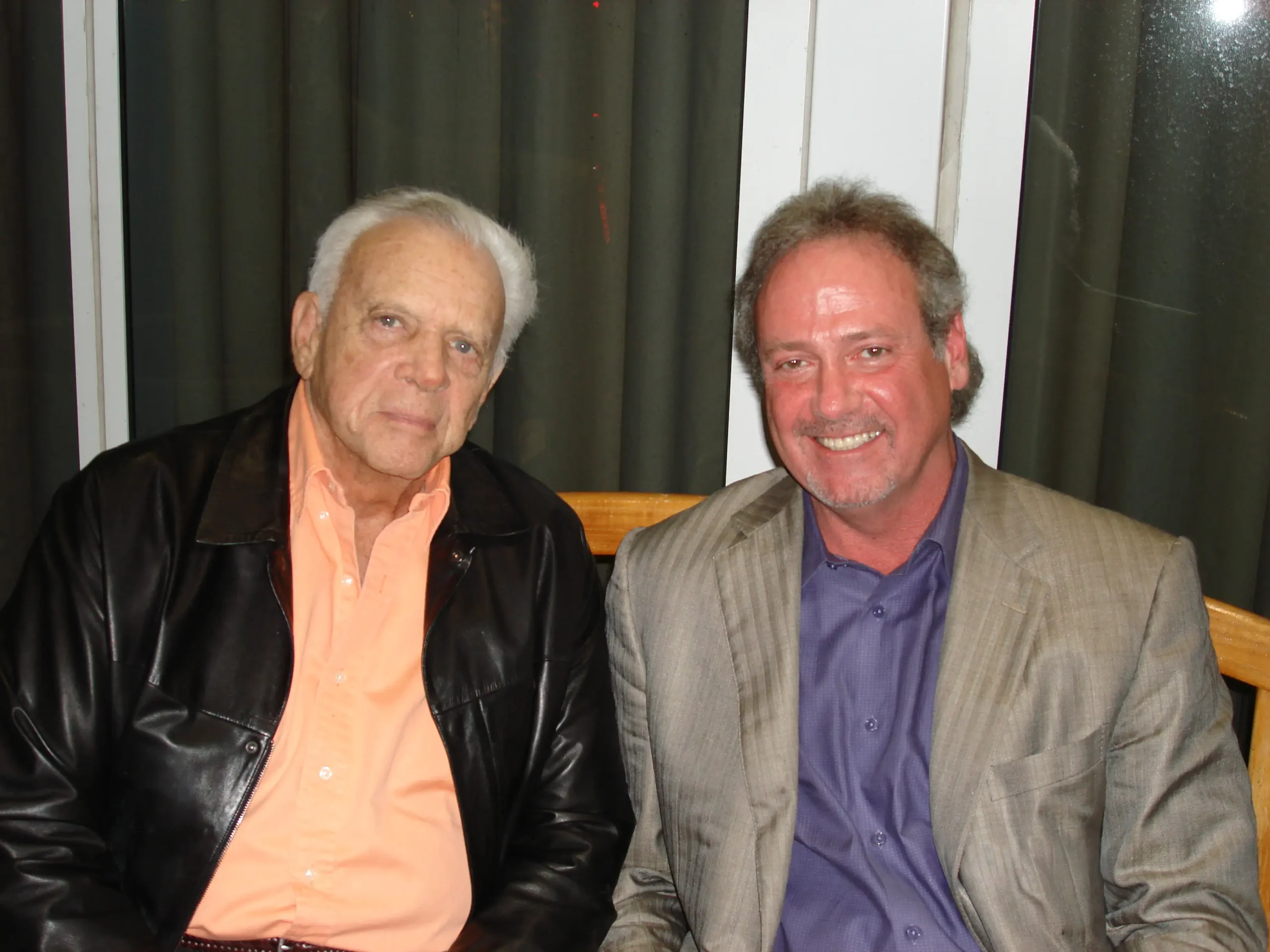
Dr. Ralph Millard & Dr. Paul S. Howard
Medical Disclaimer – Faceliftology®
The information provided on Faceliftology® is intended for general educational and informational purposes only and reflects general medical concepts related to facial aging and facelift procedures. It is not intended to constitute medical advice, diagnosis, or treatment recommendations, nor does it establish a physician–patient relationship.
Faceliftology® is an independent educational platform. Any medical or surgical information presented, including content that is reviewed or contributed to by a physician, is provided in a general context and does not represent individualized medical guidance.
Facelift surgery and related facial procedures involve highly individualized decision-making based on a patient’s anatomy, medical history, surgical technique, and overall health status. Outcomes, recovery timelines, and healing responses vary significantly between individuals and cannot be predicted or guaranteed.
Discussion of surgical techniques, adjunctive therapies, recovery strategies, nutritional considerations, or postoperative care reflects general principles described in clinical practice and medical literature. Such information does not imply that any specific approach is appropriate, necessary, or effective for a particular patient.
Users of this website should not rely on any content as a substitute for consultation with a qualified healthcare provider. All medical decisions, including whether to undergo surgery or pursue any aspect of preoperative or postoperative care, should be made in direct consultation with a board-certified plastic surgeon or other appropriately trained medical professional.
By using this website, you acknowledge that any reliance on the information provided is at your own discretion and risk.
Faceliftology® does not endorse or promote any specific treatment, provider, product, or technique unless explicitly stated. Inclusion of information does not imply superiority over other medically accepted approaches.
In the event of a medical concern, complication, or unexpected symptom, individuals should seek prompt evaluation by their surgeon or a qualified healthcare provider.
Content on this website may not reflect the most current medical developments and should not be interpreted as comprehensive or definitive medical guidance.