
Since the beginning of plastic surgery, surgeons have engaged in marketing tactics to set themselves apart from their competitors. The facelift procedure has been at the heart of marketing tactics to differentiate the surgeon’s artistic style, ease of recovery, and an overall who’s-who of the plastic surgery community.
Before television, radio and internet, plastic surgery marketing was dependent on referrals by other physicians, patients willing to divulge their cosmetic secrets to their friends, and the rarity of a print ad in a magazine. However, the patient acquisition and consultation process didn’t bear the courtesy of the modern website to display procedure details and before-after photo galleries. Therefore, the most distinguished surgeons invested in professionally published books to distribute to potential patients for their review.
One such book published in 1926 by Dr. Charles H. Willi in Great Britian, is treasured in the plastic surgery community. Dr. Willi refers to his book, titled Facial Rejuvenation, as a “little brochure” in the preface. However, the 160-page hard-bound book is anything but. Dr. Willi describes facial aging that leads up to his “face lifting” section that outlines his facelift procedure with local anesthesia. Yes, local anesthesia facelifts are nothing new and this book proves the art of the local anesthesia facelift, as Dr. Willi published his results over 100 years ago.
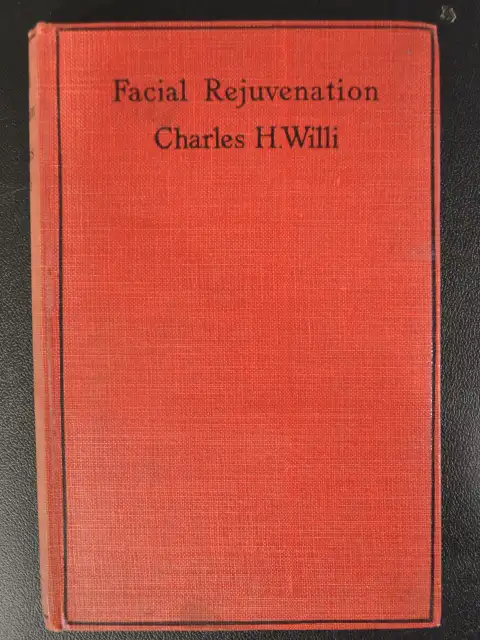
Even if the traditional facelift didn’t truly evolve beyond skin tightening until the 1970’s, the different types of facelifts haven’t truly changed either. Since the evolution of the internet, claims of special and unique facelifts have multiplied across the web as competitive marketing and branding efforts continue to drive the sensational demands for something easier, more advanced, and with faster recoveries.
Popular Facelift Branded Names
Many familiar facelift brand names such as the Lifestyle Lift, The Quick Lift, the Rotation Lift and the Ponytail Lift® have resonated across television and social media. However, are any of them necessarily “new” and different?
Patients researching facelift options today are often met with a growing list of procedure names that sound new, advanced, or minimally invasive. While these names can be compelling, they often create confusion about what distinguishes one facelift from another.
Most facelift techniques, whether traditionally named or newly branded, are based on a number of well-established surgical principles. As you will see, many of these principles are up to a century old, and there is even a 100-year-old previously marketed facelift name recycled as something new today.
The Lifestyle Lift
As mentioned previously about the local anesthesia facelift by Dr. Willi in 1926, this could be comparable to the now out-of-business Lifestyle Lift brand that was marketed nationwide with continuous television ads. The facelift obviously wasn’t anything new but was a commodity in that it marked a facelift, not the actual procedure, not the results, and definitely not the surgeons performing the procedures.
The Lifestyle Lift became known as something more revolutionary-like, with thousands of patients calling their call centers to get aligned with the nearest surgery center. However, those call centers were just that, with heavy sales pressure that was likened to dealing with used car dealers by sales-people referred to as “consultationists.” Some patients reported meeting their surgeon for the first time on the day of their procedure.
The Quick Lift
Then we have the Quick Lift®, likened to a traditional SMAS facelift, but with an alluring branded name that could also be medically criticized as deceptive for implying some sort of expediency whether recovery or procedure time. So, who would want a surgeon to do their facelift quickly? In comparison, the Lifestyle Lift was known to push their surgeons, most of whom were not board-certified plastic surgeons, to complete each facelift in less than 2 hours.
The Rotation Lift
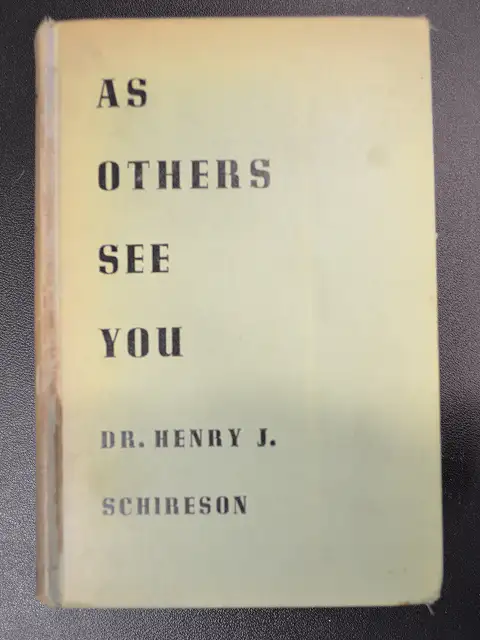
In 1938, Dr. Henry J. Schireson published, As Others See You. This fascinating 322-page book also features an additional 94 pages of patient photos of cosmetic and reconstructive surgery results. On page 124, Dr. Schireson identifies Dr. Johannes F.S. Esser, having developed “a new principle for the facial Rotation Lift.”
Dr. Schireson describes this breakthrough:
“Esser of Monaco, as a result of his painstaking studies on the rotation of the skin, laid down certain rules during the World War which made it possible, fifteen years ago, for the author in this country to develop a new principle for the facial Rotation Lift. In thousands of cases it has been proved correct anatomically, physiologically and esthetically with mathematical precision.”
On the following page, he further describes the procedure:
“It is the only facial adjustment which can maintain a normal and firm tension. It is attached to a firm foundation. The rotation takes place in the region of the cheek bone, for the support of facial sagging, and in the mastoid area for the tensing of certain flabby necks. It is anchored in the scalp where the entire rotation takes place.”
Fast forward to modern day, we have surgeons hijacking the name, Rotation Lift, but with their modern surgical twist to justify the newness and a possible proprietary technique. But, as you see, the name is not new but recycled for the modern marketing efforts to those unfamiliar with the history of plastic surgery and the benefit of such a library to reference.
The Ponytail Lift®
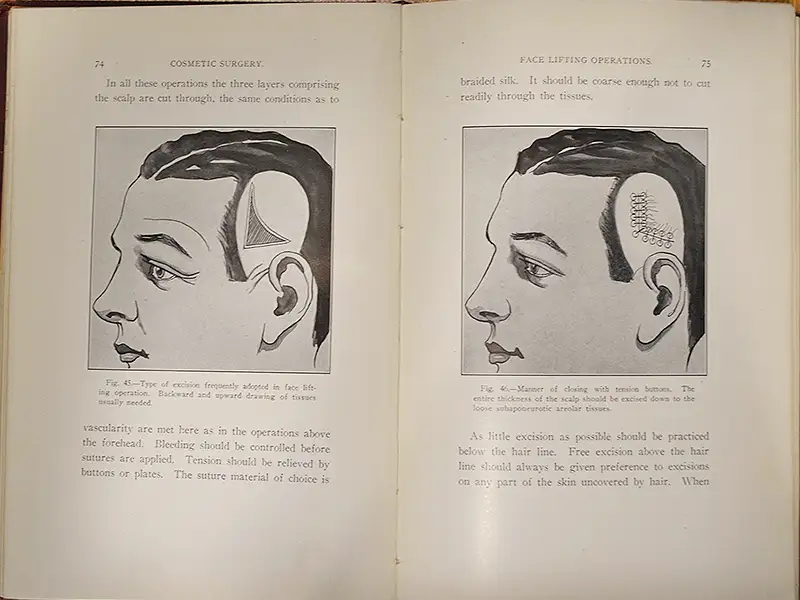
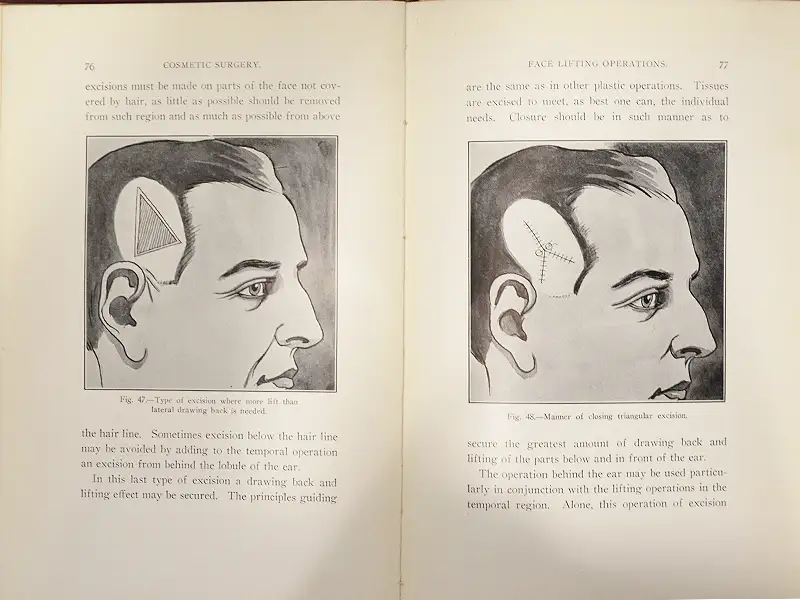
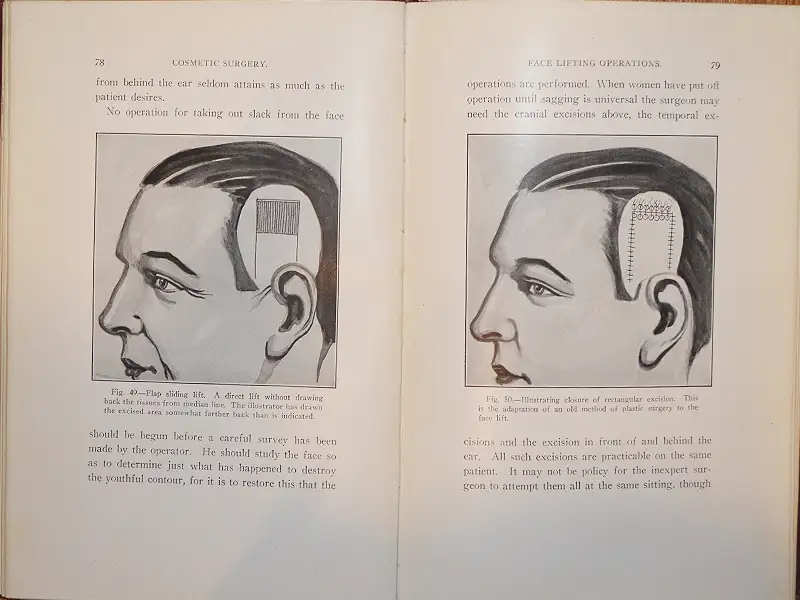
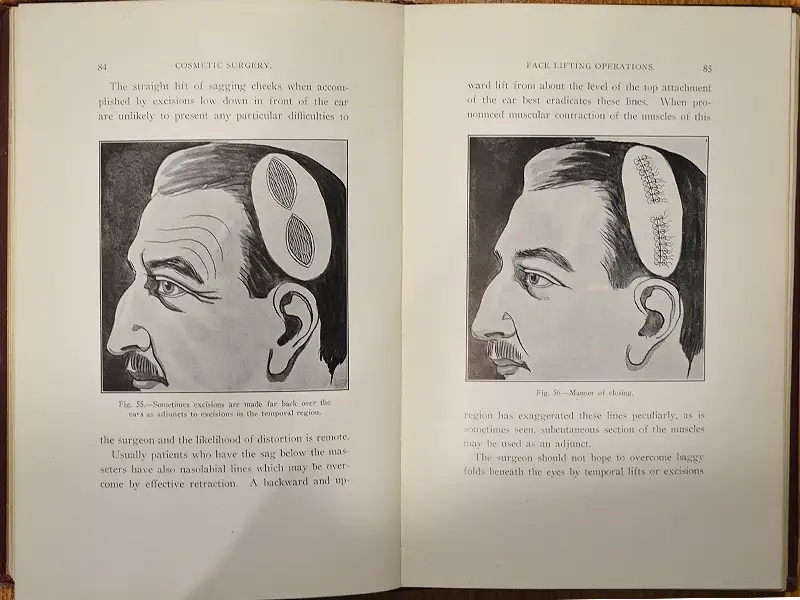
Finally, we can address the Ponytail Lift® as the only uniquely different type of facelift as compared to a traditional mini facelift or SMAS facelift, but as an endoscopic facelift utilizing temporal incisions instead of in front of the ear. However, allow us to break the news here that, once again, this facelift isn’t exactly new or revolutionary, and we have the proof.
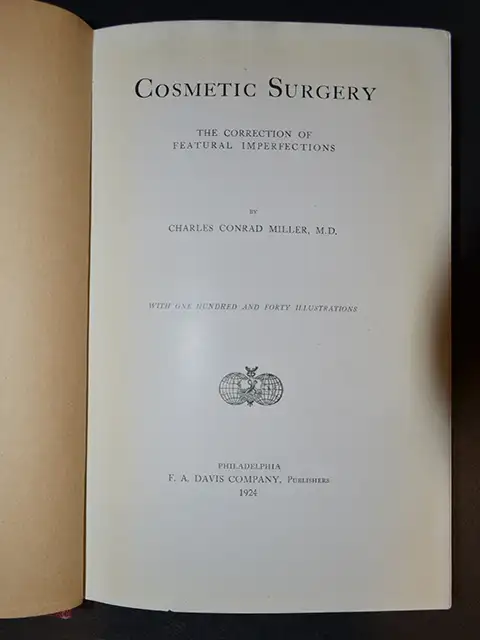
In 1924, Dr. Charles Conrad Miller published a textbook titled Cosmetic Surgery: The Correction of Featural Imperfections. This book is regarded as one of the first books on cosmetic surgery and features 140 illustrations. These illustrations could very well indicate where the founder of the Ponytail Lift found the idea to place the incisions in the temporal region, as the endoscopic component to the facelift had long been established decades ago by surgeon Dr. Oscar M. Ramirez who pioneered the use of the endoscope for a periosteal facelift.
Subsequently, Dr. Luis Vasconez introduced the endoscope for brow lift. From there, surgeons have become increasingly interested in utilizing the endoscope with cosmetic procedures for a better visual view to perform procedures in a less invasive way, desiring to reduce bruising and swelling. The benefits are obvious. The incision placement and introduction of endoscopic technology both preceded the branded procedure itself. Combined, they can describe a trademarked name of a procedure potential patients can find attractive, and possibly unique.
The Facelift Name Matters Less Than Execution and Patient Selection
Patients are frequently introduced to facelift terminology through surgeon websites, social media, and proprietary procedure names. While these labels may sound distinct, many of them describe variations of the same established principles rather than entirely separate categories of surgery.
The more helpful question is not “What is the procedure called?” but rather “What anatomical structures is it actually addressing, how is the procedure performed, and will this procedure address my cosmetic goals?” Just because one surgeon beat others to the trademark office to secure a nifty name for their facelift marketing, doesn’t mean that trademark owning surgeon is necessarily a better surgeon, but perhaps a more marketing savvy businessman.
How to Evaluate a Facelift Beyond the Marketing
The first thing to remember is that any brand name facelift should never be considered a one-size-fits-all procedure. Different types of facelifts exist for the different cosmetic needs and goals of patients.
For example, the marketing campaign for Lifestyle Lift sold a general facelift, no real procedure details, but sold what all patients want: a nice result. What patients didn’t know was the back room deals with non-plastic surgeons that performed the procedures, and a large 3-ring binder supplied to these doctors to study over the weekend and be ready to do facelifts on Monday morning.
The “brand” ultimately failed because they couldn’t control the results, because they didn’t base the business model on high quality surgery, but a cattle mill. It was a marketing machine first, then a procedure. Some patients had decent results, many had mediocre results, if not a few scary stories.
In the end, many patients had buyers-regret and realized they were sold what they mentally wanted: rejuvenation. But they failed to ask enough questions and trusted the system of the marketing machine.
To avoid getting trapped in a four-square sales trap, potential patients should not only do their research but be prepared with questions to ask the surgeon pertaining to technique, outcomes, risks, credentials, and outcomes. Patients should choose the procedure that is best for them, that will meet their cosmetic goals. Not every type of facelift, much less any brand name facelift, can address every circumstance of facial aging and rejuvenation goals.
Bottom Line: Focus on Cosmetic Goals, Surgical Skill, and Surgeon Credentials, Not Branding
While marketing may be what gets your attention or introduction to a surgeon, it’s obviously very necessary to do your homework before scheduling the consultation. Verifying board certification, online reviews, and careful analysis of the surgeon’s before-after facelift photos are the most important factors to consider before scheduling the consultation. From there, be sure to have no doubt about the specific techniques involved and confidence the procedure will help you meet your cosmetic concerns.
About the Author
Dr. Paul S. Howard is a retired, board-certified plastic surgeon who specialized in both reconstructive and cosmetic plastic surgery procedures. Over the course of his career, he earned national recognition for his surgical skill, commitment to patient care, and contribution to the advancement of plastic surgery techniques. Dr. Howard received world-class training under two legendary pioneers in the field: Dr. Ralph Millard, a leader in cleft and craniofacial surgery, and Dr. Paul Tessier, widely regarded as the father of modern craniofacial surgery. Their influence helped shape Dr. Howard’s meticulous, patient-focused approach to surgery and deepened his lifelong passion for medical history, especially the history of plastic surgery.
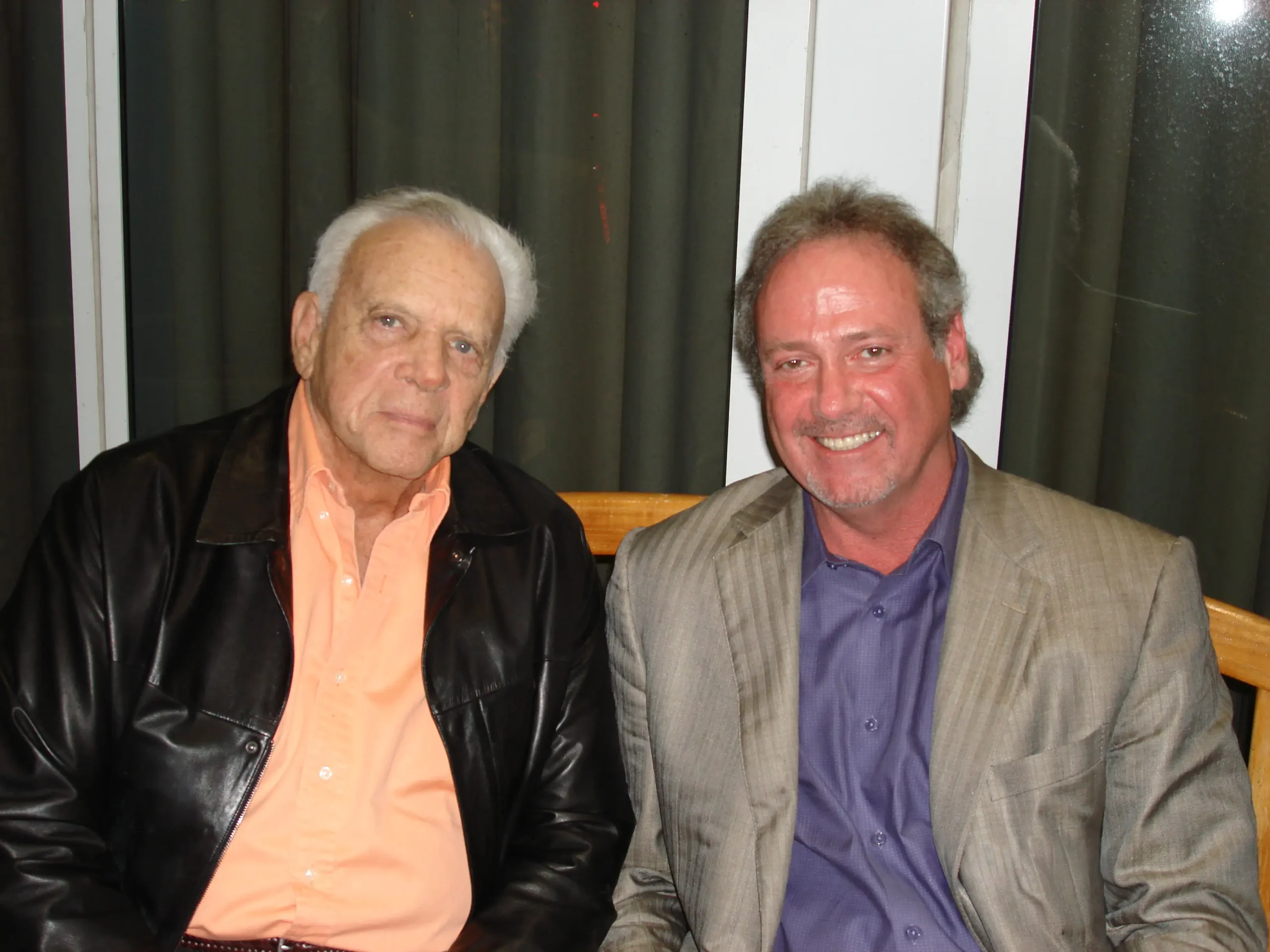
Dr. Ralph Millard & Dr. Paul S. Howard
*Ponytail Lift® and other named procedures mentioned in this article are trademarks of their respective owners. Faceliftology is not affiliated with, endorsed by, or sponsored by the owners of these trademarks. References are for educational and informational purposes only.
Medical Disclaimer – Faceliftology®
The information provided on Faceliftology® is intended for general educational and informational purposes only and reflects general medical concepts related to facial aging and facelift procedures. It is not intended to constitute medical advice, diagnosis, or treatment recommendations, nor does it establish a physician–patient relationship.
Faceliftology® is an independent educational platform. Any medical or surgical information presented, including content that is reviewed or contributed to by a physician, is provided in a general context and does not represent individualized medical guidance.
Facelift surgery and related facial procedures involve highly individualized decision-making based on a patient’s anatomy, medical history, surgical technique, and overall health status. Outcomes, recovery timelines, and healing responses vary significantly between individuals and cannot be predicted or guaranteed.
Discussion of surgical techniques, adjunctive therapies, recovery strategies, nutritional considerations, or postoperative care reflects general principles described in clinical practice and medical literature. Such information does not imply that any specific approach is appropriate, necessary, or effective for a particular patient.
Users of this website should not rely on any content as a substitute for consultation with a qualified healthcare provider. All medical decisions, including whether to undergo surgery or pursue any aspect of preoperative or postoperative care, should be made in direct consultation with a board-certified plastic surgeon or other appropriately trained medical professional.
By using this website, you acknowledge that any reliance on the information provided is at your own discretion and risk.
Faceliftology® does not endorse or promote any specific treatment, provider, product, or technique unless explicitly stated. Inclusion of information does not imply superiority over other medically accepted approaches.
In the event of a medical concern, complication, or unexpected symptom, individuals should seek prompt evaluation by their surgeon or a qualified healthcare provider.
Content on this website may not reflect the most current medical developments and should not be interpreted as comprehensive or definitive medical guidance.