
Neck Lift (Cervicoplasty / Platysmaplasty): Types, Procedure, Results & Realistic Expectations
Understanding What a Neck Lift Actually Addresses
If you’re looking into a neck lift because you’re bothered by loose skin, a blurred jawline, or those vertical bands under your chin (often called “turkey neck”), you’re not alone. A true neck lift, clinically known as cervicoplasty when excess skin is removed and platysmaplasty when the underlying muscle is tightened, restores a clean, sharp angle between your chin and neck. It addresses the skin, fat, and muscle layers that create the problem, rather than just smoothing the surface.
Unlike the simplified marketing you may have seen elsewhere, a real neck lift is not the same as simple liposuction and is not automatically part of every facelift. Many patients arrive at our office confused after clinics advertised a “neck lift” when only fat was removed. On this page we walk you through exactly what a neck lift does, who it’s best for (including the many men who choose it as a standalone procedure), and how it fits into overall facial rejuvenation so you can make a truly informed decision that matches your goals.
- A true neck lift (cervicoplasty/platysmaplasty) is a layered procedure that tightens the platysma muscle, contours fat and removes or re-drapes excess skin when needed. It is not the same as simple liposuction, which only removes fat and frequently leaves loose skin or bands behind.
- The platysma muscle acts as the natural “support sling” for your neck. Its midline anatomy follows one of three patterns (de Castro Type I, II, or III) that you’re born with. This pattern largely determines how early and how prominently vertical bands (“turkey neck”) appear as you age.
- Repairing the platysma muscle is the single most important step for lasting results. Fat removal or skin tightening alone usually gives only temporary improvement.
- There is no one-size-fits-all neck lift. The best approach for you depends on your skin elasticity, the degree of muscle separation, and whether deeper structures (such as submandibular glands or digastric muscles) are contributing to fullness under the chin.
- Many men choose an isolated neck lift because neck laxity and jawline blurring often appear before significant facial aging. Hidden incisions and focused muscle repair can deliver a sharper, masculine contour with relatively short visible downtime.
- When the platysma is properly repaired, results typically last 10–15 years, with skin quality, stable weight, and sun protection playing the biggest roles in how long the improvement holds.
- Recovery from an isolated neck lift is generally manageable: swelling peaks around days 3–5, most people look socially presentable by 10–14 days, and final refinement continues for 3–6 months.
- The most satisfied individuals are those who understand their own neck anatomy and choose a technique that is truly customized to their needs rather than accepting a generic “neck lift” offer.
Table of Contents
- Neck Anatomy: Why the Neck Ages
- Understanding the de Castro Classification
- Neck Lift vs. Neck Liposuction: Clearing Up the Confusion
- Different Types of Neck Lift Procedures
- Who Is a Good Candidate for Neck Lift?
- What a Neck Lift Can & Cannot Improve
- The Neck Lift Procedure Step-by-Step
- Comparison of Neck Lift Types
- Recovery & Healing Timeline
- Results, Longevity & Maintenance
- Risks, Complications & How to Minimize Them

Neck Anatomy: Why the Neck Ages
Understanding what’s happening under the skin of your neck is one of the most important things you can do before considering a neck lift. The main structure responsible for the shape and smoothness of your neck is the platysma — a thin, sheet-like muscle that stretches from your upper chest, across your neck, and up to your jawline and lower lip.
In your younger years, the two sides of the platysma muscle usually meet or cross over nicely in the center (under your chin), creating a firm muscular sling that keeps everything tight and supports a clean, sharp angle between your chin and neck (the cervicomental angle). As you age, or due to genetics, weight changes, or gravity, these muscle sheets often start to separate in the middle. This separation creates the visible vertical bands many people call “turkey neck.”
There are three natural patterns of how these muscles meet in the midline (classified by de Castro). Some people have good overlap near the chin, while others have very little or none at all. If you have minimal natural connection in the center, you’re more likely to develop noticeable bands earlier in life.
Above the platysma muscle is the superficial fat layer (the one that creates a double chin). Below the muscle are deeper structures including additional fat, the digastric muscles, and your submandibular glands. With age, these deeper tissues can become fuller or droop, adding to the heaviness under the chin. At the same time, your skin loses elasticity and starts to sag over the separated muscle edges.
Here’s why this matters to you: Simply removing fat (as in liposuction) or tightening the skin alone usually gives only temporary results. Without properly addressing the platysma muscle, tightening it and restoring its supportive sling, the neck often relaxes again over time. That’s why a true neck lift focuses heavily on repairing and tightening this muscle (platysmaplasty).
Understanding the de Castro Classification
One of the most useful concepts for individuals researching neck rejuvenation is the de Castro classification. Developed by Brazilian plastic surgeon Dr. Carlos de Castro in the early 1980s, it describes the natural variations in how the two sides of the platysma muscle meet (or “decussate”) in the midline under the chin. These patterns, present from birth, significantly influence how the neck ages and what type of platysmaplasty technique may be most effective.
The de Castro classification includes three main types:
- Type I (most common — about 70–75% of people) The two platysma sheets cross over each other for approximately 1–2 cm below the chin before separating lower down. Implication: Individuals with this pattern generally have better natural central support. Vertical bands tend to develop later and may respond well to standard midline platysmaplasty.
- Type II (about 15–20% of people) The muscles meet or cross only at the level of the hyoid bone. Implication: There is less support in the upper neck, so platysmal bands can appear earlier. Surgeons often combine midline repair with lateral tightening.
- Type III (about 10% of people) The two sides of the platysma remain completely separate with no midline crossing from the chin downward. Implication: These individuals typically have the least natural midline support and are more prone to early or prominent vertical bands. A more comprehensive platysmaplasty approach is often required.
Understanding one’s own platysmal anatomy pattern helps explain why some necks develop bands earlier than others and why a skilled surgeon tailors the muscle repair technique to the individual’s anatomy rather than using a one-size-fits-all method. This knowledge empowers people researching neck lift options to have more informed discussions with their surgeon about the most appropriate approach for their specific neck.
Neck Lift vs. Neck Liposuction: Clearing Up the Confusion
This is the section most patients tell us they wish they had read first. Many clinics market “neck lift” when they are really only performing submental liposuction. Liposuction removes fat but does nothing for loose skin or those separated muscle bands. In fact, taking away fat when your skin has already lost elasticity can sometimes leave the neck looking even more lax, the opposite of the smooth, tight contour you want.
A true neck lift combines careful fat contouring with muscle tightening (platysmaplasty) and, when needed, skin removal (cervicoplasty). This layered approach is what gives you the durable, natural-looking improvement you’re hoping for.
Different Types of Neck Lift Procedures
Four main approaches (often combined) are used, depending on exactly what your neck needs:
- Cervicoplasty (skin-only): Removes excess skin through small incisions under the chin and sometimes behind the ears. Best when your muscle tone is still strong and skin laxity is the main issue.
- Platysmaplasty: Repairs the midline separation with sutures (the classic “corset” technique) or repositions the muscle from the sides. This is what eliminates the vertical bands you see when you look in the mirror.
- Combined Cervicoplasty + Platysmaplasty: The most common and effective option for moderate to advanced aging—addresses skin, muscle, and fat all at once.
- Deep Neck Sculpting: An advanced add-on that carefully contours or repositions deeper fat, prominent submandibular glands, or digastric muscles when they create extra fullness under the chin.
Isolated Neck Lift vs. Neck Lift as Part of Facelift
Some patients, especially men, have great facial skin but just want their neck and jawline sharpened. An isolated neck lift can be perfect for them. Others benefit from combining it with a facelift so the entire lower face and neck age together in a natural, harmonious way.
Who Is a Good Candidate for Neck Lift?
You’re likely a good candidate if you’re healthy, don’t smoke, and have realistic expectations. The best outcomes happen when your skin still has some elasticity and the main problem is neck laxity rather than severe midface sagging.
Men make up a surprisingly large group of patients who choose an isolated neck lift. Men often notice the “turkey neck” and loss of jawline definition long before other facial changes appear. Male neck lift patients usually want a strong, masculine contour without any pulled or overly tight facial look. Hidden incisions and a focused neck-only approach let you get back to work or social life faster while still looking like yourself—just sharper and more defined.
What a Neck Lift Can Improve — and What It Cannot
A well-performed neck lift can create a noticeable, natural-looking improvement in the appearance of your lower face and neck. It tightens the platysma muscle to eliminate or dramatically reduce vertical bands (the classic “turkey neck”), contours excess pre- and subplatysmal fat, and removes or re-drapes loose skin to restore a clean, sharp cervicomental angle and a more defined jawline. Patients often describe looking more refreshed and youthful while still looking like themselves—especially when the procedure is customized to their individual platysma anatomy (including their de Castro type) and skin quality.
However, it’s equally important to understand what a neck lift cannot achieve. It does not correct significant jowling or mid-face descent—that usually requires a combined facelift. It also cannot improve skin texture issues such as deep wrinkles, sun damage, or very thin, crepey skin, nor can it replace lost volume or change your underlying bone structure. A neck lift is a structural contouring procedure, not a weight-loss tool or a way to stop the aging process entirely. Knowing these realistic limits helps you make an informed decision and choose the right combination of treatments for your goals.
The Neck Lift Procedure Step-by-Step
The procedure is done under general anesthesia or deep sedation and usually takes 1–3 hours when performed alone. A small incision is made under the chin (and sometimes around the ears). Fat is contoured, the platysma is tightened in the midline or from the sides, excess skin is removed if needed, and everything is redraped for a smooth, natural contour. Drains are sometimes placed for the first 24–48 hours.
Specific steps vary by technique. The comparison chart below shows you exactly how the different types of neck lift differ in what they target, what results you can expect, and how long those results typically last.
Comparison of Neck Lift Types
| Type | Best For You If… | What Happens During Surgery | What You’ll See in the Mirror | Realistic Expectations & Longevity | Things to Discuss With Your Surgeon |
|---|---|---|---|---|---|
| Cervicoplasty (skin-only) | Good muscle tone but extra skin | Small incisions; skin lifted and excess removed/redraped | Smoother skin envelope | 7–10 years; best for younger patients or after weight loss | Limited help with platysmal bands |
| Platysmaplasty | Visible vertical neck bands | Midline “corset” sutures or lateral muscle tightening | Bands softened; sharper chin-neck angle | 10–15 years when weight remains stable | Technique differences (midline vs lateral) |
| Combined Cervicoplasty + Platysmaplasty | Skin + muscle + fat changes | Full repair of muscle, fat contouring, and skin redraping | More comprehensive neck definition | 10–15 years; often most durable when all layers addressed | Whether a layered approach is appropriate |
| Deep Neck Sculpting (add-on) | Deep fullness beneath the chin | Deeper contouring of fat, glands, or muscles | Refined submental angle with reduced bulging | Adds stability when combined; often 10+ years | Whether your anatomy truly benefits from deeper work |
This comparison is for educational purposes only. The best neck lift approach is always customized to your anatomy during consultation with a qualified plastic surgeon.
Recovery & Healing Timeline
Swelling and tightness usually peak around days 3–5. Most patients feel comfortable being seen in public by 10–14 days (makeup or a collared shirt helps). Full swelling resolves over 3–6 months. An isolated neck lift often means even shorter visible downtime, which is one reason many men prefer it.
Results, Longevity & Maintenance
When the platysma muscle is properly repaired, results typically last 10–15 years. Your skin quality, sun protection, and stable weight play the biggest roles in how long the improvement holds. Many patients later add non-surgical treatments (skin-tightening devices or fillers) for ongoing upkeep.
Risks, Complications & How to Minimize Them
As with any surgery, risks include hematoma, temporary numbness, skin irregularities, and (rarely) nerve injury. Choosing a board-certified plastic surgeon who performs neck lifts frequently and understands deep-neck anatomy can dramatically lower these risks. Specific risks depend on the exact technique chosen for your anatomy and your individual health history.
References (AMA Style)
- de Castro CC. The anatomy of the platysma muscle. Plast Reconstr Surg. 1980;66(5):680-683.
- de Castro CC. The value of anatomical study of the platysma muscle in cervical lifting. Aesthetic Plast Surg. 1984;8(1):7-11.
- Mejia JD, Nahai F, Momoh AO. Isolated management of the aging neck. Semin Plast Surg. 2009;23(4):264-273. doi:10.1055/s-0029-1242178
- Labbé D, Franco RG, Nicolas J. Platysma suspension and platysmaplasty during neck lift: anatomical study and analysis of 30 cases. Plast Reconstr Surg. 2006;117(6):2001-2007. doi:10.1097/01.prs.0000218977.46312.28
- Narasimhan K, Ramanadham S, O’Reilly E, Rohrich RJ. Secondary neck lift and the importance of midline platysmaplasty: review of 101 cases. Plast Reconstr Surg. 2016;137(4):667e-675e. doi:10.1097/PRS.0000000000002047
- Alexander L, Patel BC. Platysmaplasty facelift. In: StatPearls [Internet]. Treasure Island (FL): StatPearls Publishing; 2023. Updated August 28, 2023. Accessed April 11, 2026. https://www.ncbi.nlm.nih.gov/books/NBK563291/
- Weinstein AL, Pugliese S, Kogan S, et al. A layered approach to neck lift. Plast Aesthet Res. 2021;8:12. doi:10.20517/2347-9264.2020.192
- Ghoraba SM, Siqueira EJ, et al. Deep tissue sculpture in neck rejuvenation: review of 641 cases. Aesthetic Plast Surg. Published online 2024. PMC11658757.
- Batniji RK. Complications/sequelae of neck rejuvenation. Facial Plast Surg Clin North Am. 2014;22(2):317-323. doi:10.1016/j.fsc.2014.01.010
- Cambiaso-Daniel J, et al. Neck lift to treat platysma bands and defining cervical angle. Facial Plast Surg. 2025;41(1):1-8. doi:10.1055/s-0044-1791690
About the Author
Dr. Paul S. Howard is a retired, board-certified plastic surgeon who specialized in both reconstructive and cosmetic plastic surgery procedures. Over the course of his career, he earned national recognition for his surgical skill, commitment to patient care, and contribution to the advancement of plastic surgery techniques. Dr. Howard received world-class training under two legendary pioneers in the field: Dr. Ralph Millard, a leader in cleft and craniofacial surgery, and Dr. Paul Tessier, widely regarded as the father of modern craniofacial surgery. Their influence helped shape Dr. Howard’s meticulous, patient-focused approach to surgery and deepened his lifelong passion for medical history, especially the history of plastic surgery.
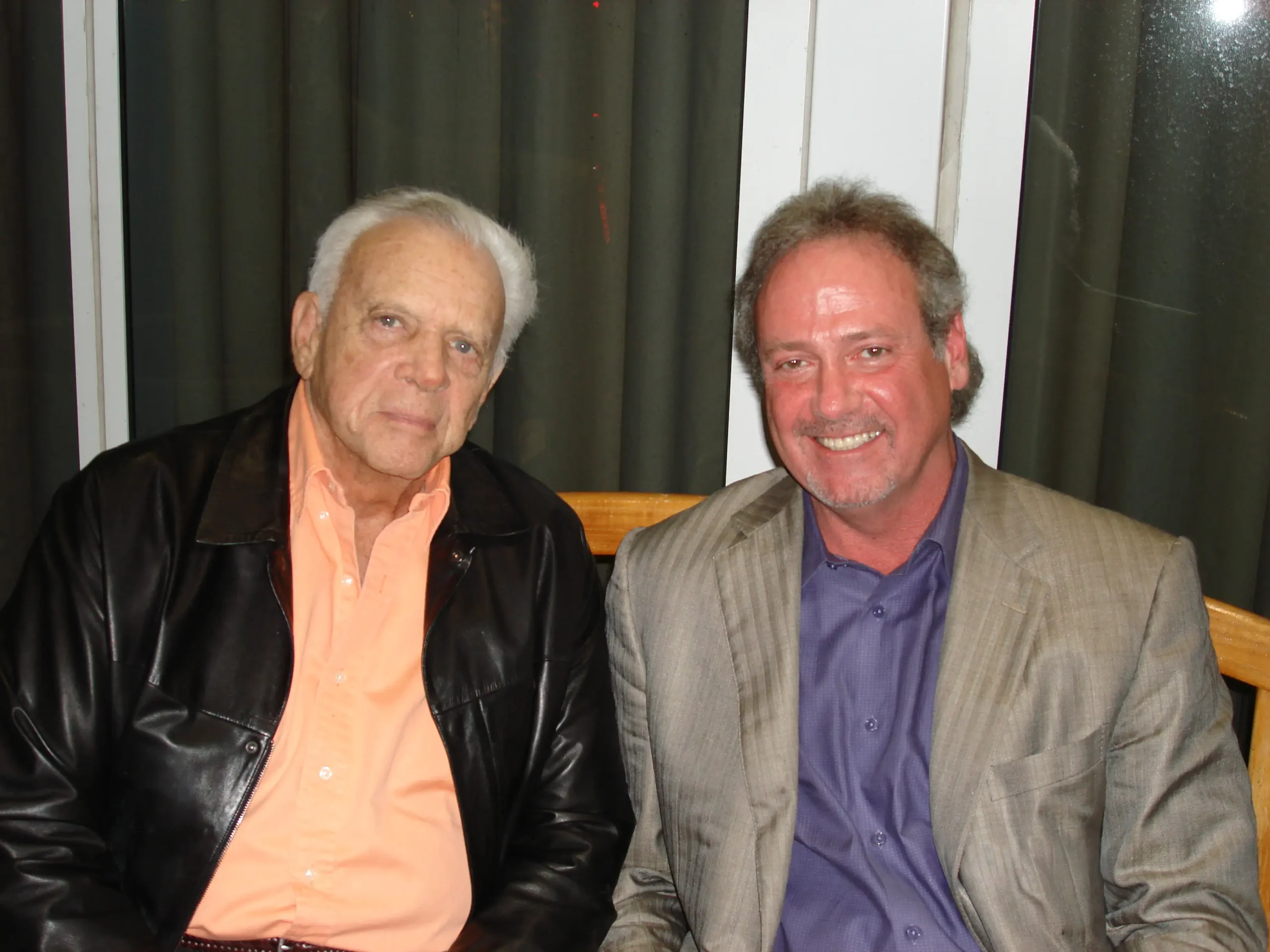
Dr. Ralph Millard & Dr. Paul S. Howard
Medical Disclaimer – Faceliftology®
The information provided on Faceliftology® is intended for general educational and informational purposes only and reflects general medical concepts related to facial aging and facelift procedures. It is not intended to constitute medical advice, diagnosis, or treatment recommendations, nor does it establish a physician–patient relationship.
Faceliftology® is an independent educational platform. Any medical or surgical information presented, including content that is reviewed or contributed to by a physician, is provided in a general context and does not represent individualized medical guidance.
Facelift surgery and related facial procedures involve highly individualized decision-making based on a patient’s anatomy, medical history, surgical technique, and overall health status. Outcomes, recovery timelines, and healing responses vary significantly between individuals and cannot be predicted or guaranteed.
Discussion of surgical techniques, adjunctive therapies, recovery strategies, nutritional considerations, or postoperative care reflects general principles described in clinical practice and medical literature. Such information does not imply that any specific approach is appropriate, necessary, or effective for a particular patient.
Users of this website should not rely on any content as a substitute for consultation with a qualified healthcare provider. All medical decisions, including whether to undergo surgery or pursue any aspect of preoperative or postoperative care, should be made in direct consultation with a board-certified plastic surgeon or other appropriately trained medical professional.
By using this website, you acknowledge that any reliance on the information provided is at your own discretion and risk.
Faceliftology® does not endorse or promote any specific treatment, provider, product, or technique unless explicitly stated. Inclusion of information does not imply superiority over other medically accepted approaches.
In the event of a medical concern, complication, or unexpected symptom, individuals should seek prompt evaluation by their surgeon or a qualified healthcare provider.
Content on this website may not reflect the most current medical developments and should not be interpreted as comprehensive or definitive medical guidance.
Facelift Planning Resources
Choosing the right facelift technique is just as important as choosing the right surgeon. These guides can help you better understand your options.