
The “ponytail facelift” remains one of the most searched terms in facial rejuvenation. Patients love the idea of a subtle, natural-looking lift with scars hidden in the hairline—so they can pull their hair back into a ponytail just days after surgery. While the exact branded name “Ponytail Facelift” (and the related “Ponytail Lift”) is a registered trademark owned by Chia Chi Kao, MD of Santa Monica, California, the core technique is a limited-incision vertical lift. It is often confused with mini facelifts and sits on a broader spectrum that also includes SMAS and deep plane techniques.
At Faceliftology we cut through the marketing hype so you can understand exactly what each approach does, and whether it truly matches your anatomy, age, and goals. In this guide we compare the ponytail facelift (vertical hairline lift), mini facelift, SMAS facelift, and deep plane facelift so you can decide which, if any, is right for you.
- Ponytail facelift is the least invasive option — perfect for subtle upper- and midface rejuvenation in younger patients (late 30s–early 50s) who prioritize hidden hairline scars and the shortest recovery (5–10 days public-ready).
- Ponytail-style facelifts are often compared to endoscopic-technique style facelift procedures.
- Marketing claims around the “ponytail” name can be misleading; always confirm exact incisions and tissue work with your surgeon using diagrams and unedited photos.
- Surgeon expertise matters more than technique branding.
- A well-executed SMAS or deep plane facelift by an experienced surgeon will consistently outperform a poorly selected “trendy” procedure. Always prioritize surgical experience, case volume, and transparent before-and-after results.
What “Ponytail-Style” Lift Really Means
The term “ponytail facelift” (also called ponytail lift or vertical hairline lift) refers to a minimally invasive facial rejuvenation technique that creates a subtle, upward lift reminiscent of the way the face looks when hair is pulled tightly into a high ponytail. Beyond the visual effect, the name highlights one of its biggest appeals: patients can often wear their hair pulled back or in a ponytail shortly after surgery with minimal visible scarring.
The procedure uses small incisions (typically 1–2 cm long) placed strategically within the temporal hairline or concealed behind the hair-bearing scalp. These limited access points allow the surgeon to insert an endoscope (a thin tube with a camera) to visualize and work on deeper structures with precision and minimal tissue disruption.
Using endoscopic tools, the surgeon elevates and repositions the soft tissues of the upper and midface in a primarily vertical vector. This includes releasing attachments around the lateral brow, temples, and cheek area, then suspending or anchoring the deeper layers (often the SMAS or fibrofatty tissues) upward to the stable deep temporal fascia using strong sutures or suspension techniques. Very little, if any, skin is removed. The emphasis is on tissue repositioning and vertical suspension rather than skin excision or extensive pulling.
Because the procedure typically avoids incisions in front of the ears in its most limited form, swelling and bruising tend to be lighter, and scarring is extremely well hidden. The main trade-off is that the classic ponytail lift has limited ability to address significant jowling, lower face laxity, or neck aging.
Ponytail vs. Mini vs. SMAS vs. Deep Plane Facelift: Side-by-Side Comparison
| Feature | Ponytail Facelift (Vertical Hairline Lift) |
Mini Facelift | SMAS Facelift | Deep Plane Facelift |
|---|---|---|---|---|
| Primary Target Area | Upper & midface (brow, temples, cheeks) | Lower face & jawline (mild jowls) | Mid-to-lower face, jawline, often neck | Full face + neck (midface, jowls, jawline, neck) |
| Incision Placement | Primarily hidden in temple/hairline | Short incisions around ear + hairline | Standard around ears + hairline | Around ears + hairline; deeper access |
| Tissue Work | Vertical suspension (often endoscopic) | Limited SMAS tightening/plication + skin redraping | SMAS layer elevation, tightening & repositioning | Releases ligaments beneath SMAS; repositions deep fat pads & muscles as a unit, deeper structural repositioning |
| Neck Work | Usually none | Limited | Moderate to comprehensive | Comprehensive neck tightening & contouring |
| Skin Removal | Minimal or none | Yes—limited | Yes | Yes |
| Invasiveness | Least invasive | Moderately invasive | Moderate to high | Most invasive |
| Anesthesia | Local or Sedation | Local, Sedation or General | Local, Sedation, or General | Usually general |
| Ideal Age & Aging | Late 30s–early 50s, mild midface descent | 40s–early 60s, mild-to-moderate lower-face laxity | 40s–65, moderate laxity & jowls | 45+, moderate-to-severe sagging & volume loss |
| Recovery (public-ready) | 5–10 days | 7–14 days | 10–14 days | 10–21 days (full refinement 3–6 months) |
| Longevity | 3–7 years | 5–10 years | 7–12 years | 10–15+ years |
| Best For | Subtle rejuvenation in younger patients | Early jowls & jawline refresh | Balanced, natural lift for moderate aging | Dramatic yet natural rejuvenation for advanced aging |
Note: Many mini facelifts incorporate basic SMAS techniques. “SMAS” refers to the surgical plane and layer addressed, while “mini” often describes shorter incisions and less extensive work. The SMAS (Superficial Musculoaponeurotic System) is the strong fibrous layer covering the facial muscles. Tightening or repositioning produces more durable results than skin-only lifts.
Ponytail Facelift Marketing Claims vs. Technique Reality
The trademarked Ponytail Lift™ and Ponytail Facelift™ (both owned by Chia Chi Kao, MD) are frequently advertised as “scarless,” “minimal incision,” or even a fully endoscopic deep-plane procedure. These claims appeal to patients who want dramatic results with almost no visible downtime or scarring.
In practice, the technique has variations. The most limited versions use only hairline incisions and endoscopic tools for vertical lifting. However, when more comprehensive rejuvenation (including jowl or neck work) is performed under the same trademarked name, surgeons often add a small post-auricular incision (behind the ear) or limited access near the earlobe. Patient galleries labeled with the trademarked name sometimes show results that include these more traditional ear-area incisions—exactly the kind many patients hope to avoid.
Key takeaway: Marketing language can blur the lines between the most minimal version and the extended versions that require additional incisions. Always ask your surgeon for a clear diagram of your planned incisions and review unedited before-and-after photos from patients with similar aging patterns.
Recovery & Results
Recovery from a ponytail facelift is generally the easiest and fastest of the four techniques. Most patients are public-ready in 5–10 days on average, with relatively minimal bruising and swelling.
For a full breakdown of recovery timelines, what to expect day-by-day, and how recovery compares across ponytail, mini, SMAS, and deep plane facelifts, please see our Facelift Recovery Guide.
Results vary by technique:
- Ponytail: Subtle midface elevation, fuller cheeks, and gentle brow lift (typically lasts 3–7 years).
- Mini: Noticeable lower-face and jawline refresh (5–10 years).
- SMAS: Stronger jawline definition and neck contour with natural movement (7–12 years).
- Deep Plane: The most natural, comprehensive restoration of youthful contours and volume (10–15+ years).
Many patients combine or stage their surgical lift with non-surgical treatments (such as fillers and skin-tightening devices) to optimize and maintain their results over time.
Cost Overview
Costs vary by surgeon experience, location, and technique complexity. Ponytail-style lifts are often the least expensive in their most limited form, followed by mini, then SMAS. Deep plane procedures are typically the highest investment due to their advanced nature and operating time.
Who Performs These Facelifts? Surgeon Selection Tips
All four techniques should be performed by board-certified plastic surgeons specializing in facial rejuvenation. The right choice depends far more on the surgeon’s skill and your individual anatomy than on any branded name.
When choosing a surgeon, focus on:
- Board certification by the American Board of Plastic Surgery (ABPS) or equivalent
- Significant experience with the specific technique you’re considering (ask how many similar cases they perform per year)
- A gallery of unedited before-and-after photos that match your age, skin type, and degree of aging
- Willingness to discuss exact incision placement and tissue layers in your consultation
Red flag: Any provider who pushes a branded name (ponytail or otherwise) without clearly explaining how the procedure will (or will not) address your specific concerns.
Next Steps: Choosing the Right Facelift for You
Choosing the right facelift depends on your age, the areas and degree of aging you want to address, your skin quality, and your priorities regarding scarring, downtime, and longevity.
- Ponytail Facelift – Best if your concerns are limited to the upper and midface and hidden scars with minimal downtime are your top priorities.
- Mini Facelift – Ideal if you have early jowls or jawline changes and want a noticeable refresh with relatively short recovery.
- SMAS Facelift – A strong choice if you want balanced, natural improvement in the mid-to-lower face and neck with good longevity and moderate downtime.
- Deep Plane Facelift – Recommended if you have moderate-to-severe sagging and are looking for the most comprehensive, longest-lasting, and natural-looking results.
For a more in-depth guide to help determine which option is best suited for your specific situation, read our article: Which Facelift Is Right for Me?
The single most important decision is selecting a board-certified plastic surgeon who is highly experienced with your specific aging pattern. A personalized consultation is the only way to accurately determine which technique will give you the best possible outcome.
Frequently Asked Questions
Is a ponytail facelift the same as a mini facelift?
No. A ponytail facelift targets the upper and midface with hairline-only incisions, while a mini facelift traditionally focuses on the lower face and jawline with short incisions around the ear.
What is the difference between a ponytail facelift and a deep plane facelift?
The ponytail is minimally invasive and focuses on vertical lifting of the upper/midface. The deep plane is more comprehensive, releasing deeper ligaments and repositioning the entire facial structure for longer-lasting results in the full face and neck.
How long does a ponytail facelift last?
Results typically last 3–7 years. Longevity depends on skin quality, lifestyle, and maintenance.
What is the recovery time for a ponytail facelift?
Most patients look public-ready in 5–10 days with minimal bruising. Recovery time is also dependent on exact type of lift performed and patient’s medical history factors such as nicotine use.
Can men get a ponytail facelift?
Yes, but many men are better candidates for a mini, SMAS, or isolated neck lift because they often notice neck and jawline aging first.
Does a ponytail facelift include the neck?
Usually not. Neck work requires separate incisions and techniques that may indicate a different type of facial rejuvenation procedure.
Is the ponytail facelift permanent?
No procedure stops aging. A ponytail facelift may provide 3–7 years of improvement before secondary cosmetic procedures are typically needed.
What is the difference between ponytail lift and endoscopic facelift?
These techniques often overlap. Many ponytail-style lifts use endoscopic tools for the vertical lift technique.
Who is the best candidate for a ponytail facelift?
Younger patients (late 30s–early 50s) with mild midface descent, good skin elasticity, and minimal lower-face laxity.
About the Author
Dr. Paul S. Howard is a retired, board-certified plastic surgeon who specialized in both reconstructive and cosmetic plastic surgery procedures. Over the course of his career, he earned national recognition for his surgical skill, commitment to patient care, and contribution to the advancement of plastic surgery techniques. Dr. Howard received world-class training under two legendary pioneers in the field: Dr. Ralph Millard, a leader in cleft and craniofacial surgery, and Dr. Paul Tessier, widely regarded as the father of modern craniofacial surgery. Their influence helped shape Dr. Howard’s meticulous, patient-focused approach to surgery and deepened his lifelong passion for medical history, especially the history of plastic surgery.
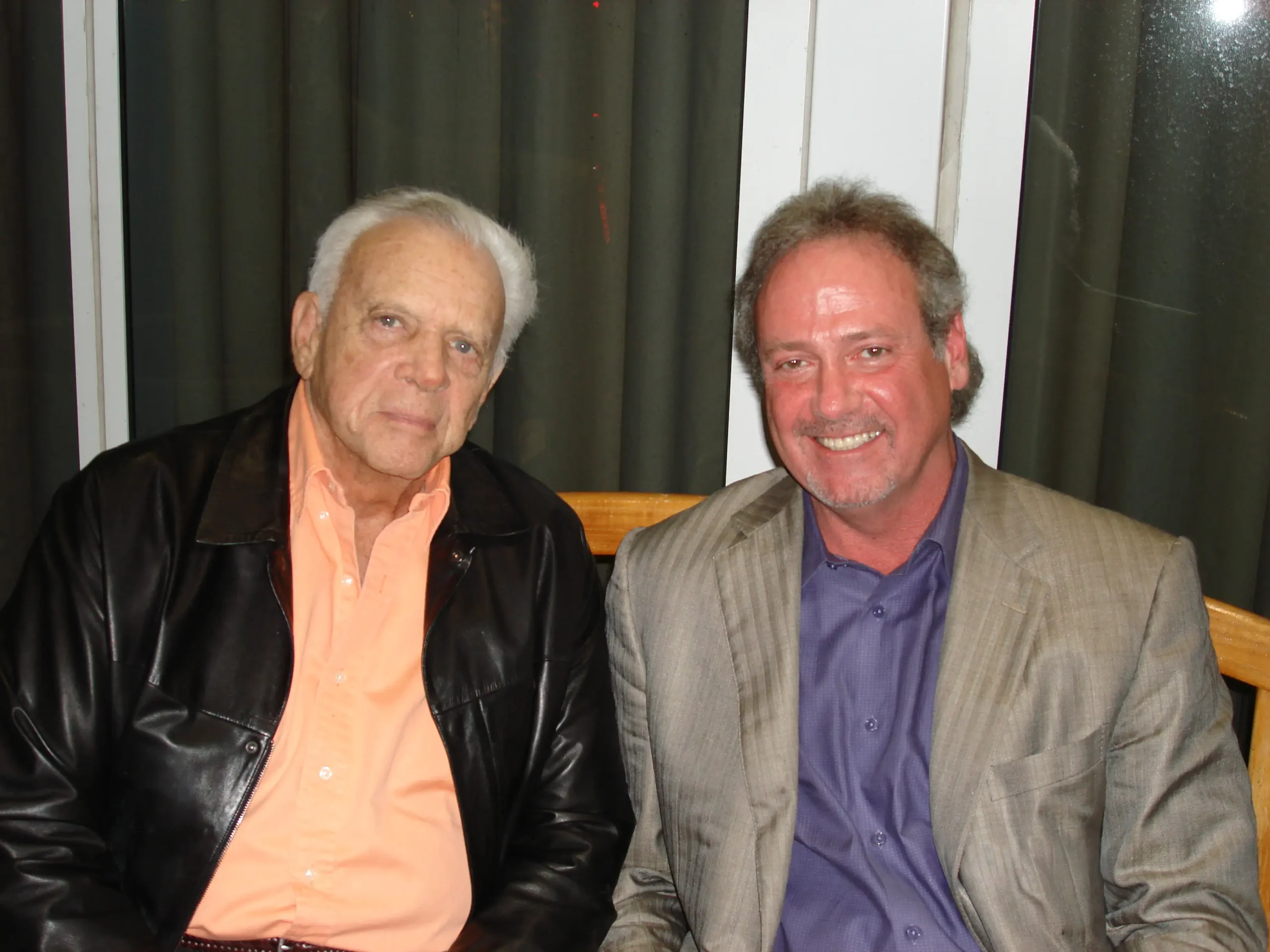
Dr. Ralph Millard & Dr. Paul S. Howard
*Ponytail Lift® and other named procedures mentioned in this article are trademarks of their respective owners. Faceliftology is not affiliated with, endorsed by, or sponsored by the owners of these trademarks. References are for educational and informational purposes only.
Medical Disclaimer – Faceliftology®
The information provided on Faceliftology® is intended for general educational and informational purposes only and reflects general medical concepts related to facial aging and facelift procedures. It is not intended to constitute medical advice, diagnosis, or treatment recommendations, nor does it establish a physician–patient relationship.
Faceliftology® is an independent educational platform. Any medical or surgical information presented, including content that is reviewed or contributed to by a physician, is provided in a general context and does not represent individualized medical guidance.
Facelift surgery and related facial procedures involve highly individualized decision-making based on a patient’s anatomy, medical history, surgical technique, and overall health status. Outcomes, recovery timelines, and healing responses vary significantly between individuals and cannot be predicted or guaranteed.
Discussion of surgical techniques, adjunctive therapies, recovery strategies, nutritional considerations, or postoperative care reflects general principles described in clinical practice and medical literature. Such information does not imply that any specific approach is appropriate, necessary, or effective for a particular patient.
Users of this website should not rely on any content as a substitute for consultation with a qualified healthcare provider. All medical decisions, including whether to undergo surgery or pursue any aspect of preoperative or postoperative care, should be made in direct consultation with a board-certified plastic surgeon or other appropriately trained medical professional.
By using this website, you acknowledge that any reliance on the information provided is at your own discretion and risk.
Faceliftology® does not endorse or promote any specific treatment, provider, product, or technique unless explicitly stated. Inclusion of information does not imply superiority over other medically accepted approaches.
In the event of a medical concern, complication, or unexpected symptom, individuals should seek prompt evaluation by their surgeon or a qualified healthcare provider.
Content on this website may not reflect the most current medical developments and should not be interpreted as comprehensive or definitive medical guidance.